
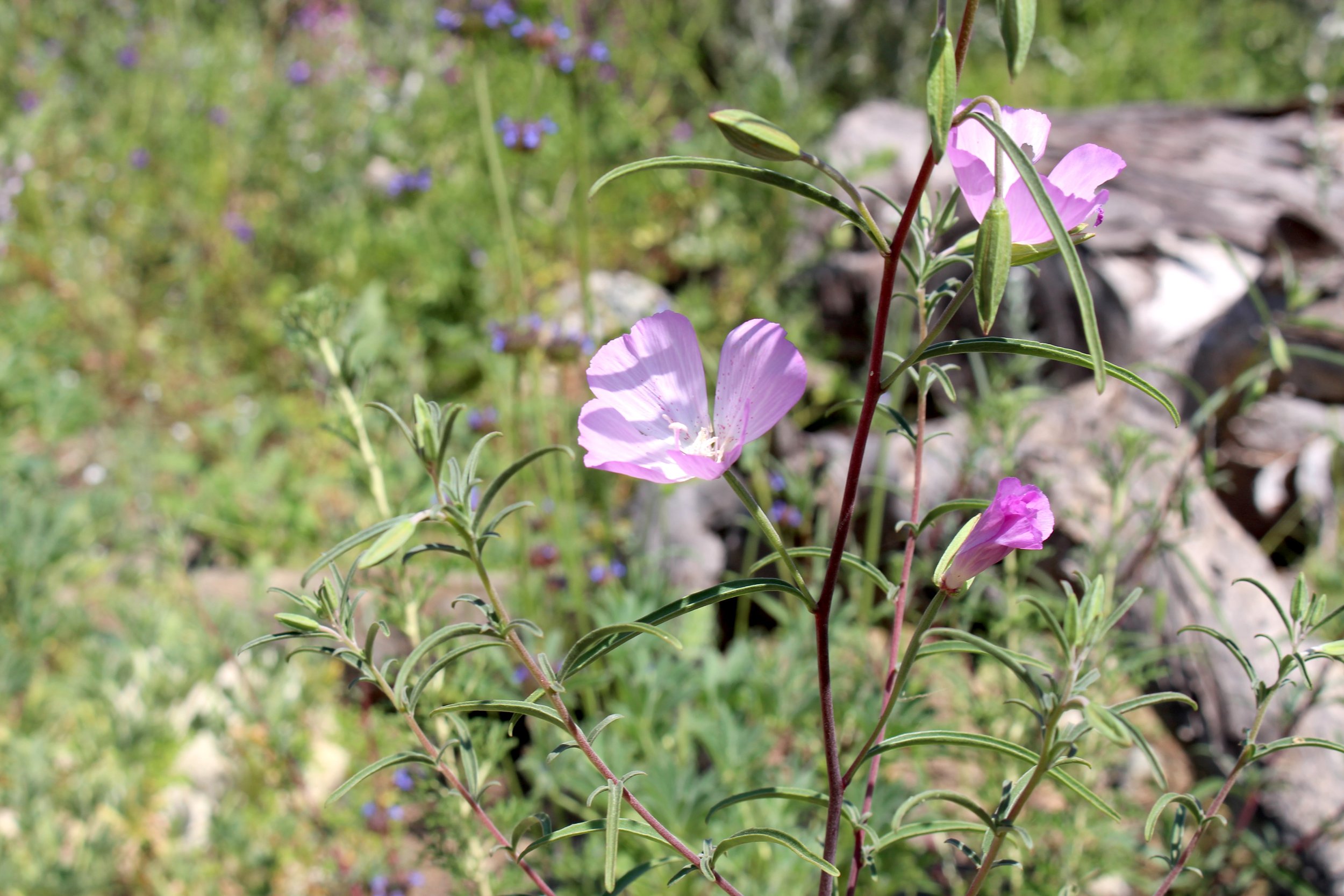
The natural world has always known how to heal.
Therapy that steps outside the four walls, bringing the restorative intelligence of nature into the work of healing.
Who this work is for
You are drawn to the natural world as a participant in your healing, not just a backdrop.
You feel most yourself outdoors and have always sensed that something important happens in nature that doesn't happen inside.
Conventional office or telehealth settings make it hard to settle, and you wonder if a different environment might change what's possible.
You are working with anxiety, trauma, or burnout and want a somatic approach that uses the natural environment as part of the healing.
You have a spiritual or depth-oriented relationship with the natural world and want therapy that can hold that with you.
You are in Northeast Los Angeles and want to do some or all of your sessions outside.
A personal note
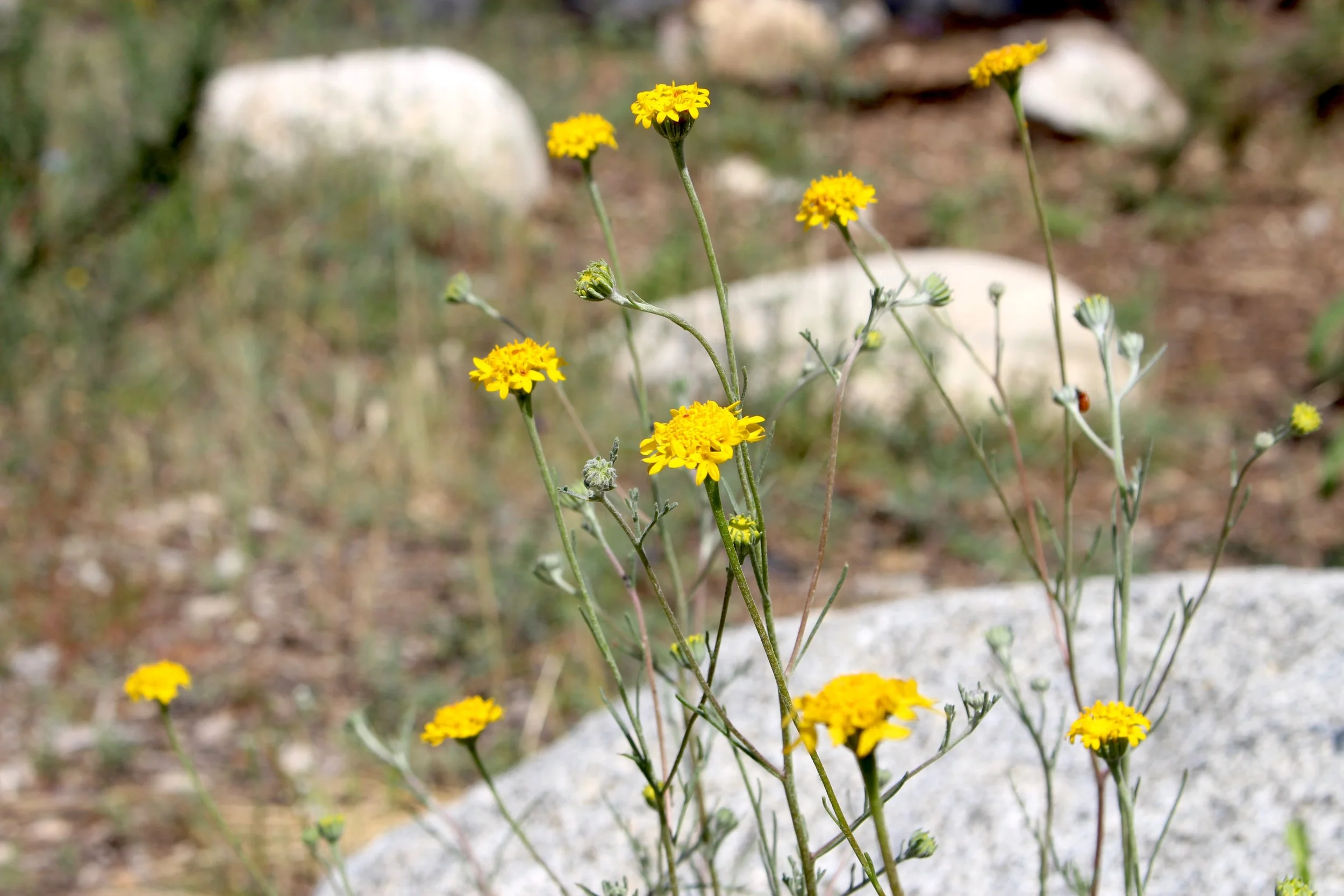
This land shaped me long before I had words for it. I grew up among the trees, streams, and fragrant coastal sage scrub of the Santa Monica and San Gabriel mountains that define our beautiful LA basin.
My relationship with the natural world is one of reciprocity, care, and reverence. It is not a relationship I chose so much as one I was born into, and one I have returned to, again and again, as a source of strength, grounding, and connection.
The land holds something that the built world cannot: a quality of presence, of patience, of intelligence that does not require anything of us except that we slow down, pay attention, and listen in.
Before I was a therapist I worked in environmental justice, where I learned firsthand that nothing heals in isolation. When I bring therapy outside, I am not adding a wellness feature. I am returning to something I have always known.
I practice on the traditional, ancestral, and unceded territory of the Tongva (Gabrieleno), Chumash, and Fernandeño Tataviam People. I am committed to honoring these lineages with reverence rather than erasure, and to practicing on this land with care and gratitude.
What ecotherapy is
Ecotherapy is not about going on hikes and talking about your feelings, though walking and talking in nature is genuinely powerful and is one of the forms this work takes. At its deepest it is a recognition that the relationship between human beings and the living world is itself therapeutic, and that the nervous system responds to natural environments in ways that support the work of healing. The natural world acts a participant in the healing process, not just a pleasant setting, but an active presence that co-regulates, grounds, and opens dimensions of experience that the indoor therapeutic frame often cannot reach.
My approach to ecotherapy is grounded in Somatic Experiencing. The body and the natural world speak the same language, and working somatically outdoors can deepen and accelerate the therapeutic process in ways that are both measurable and deeply felt. For clients working with trauma, chronic anxiety, or burnout, where the nervous system has lost its capacity to settle, outdoor somatic work offers an infinite supply of the kind of gentle, non-threatening sensory input that supports nervous system healing: the kind that says, simply and continuously, that it is safe to be here.
Therapy in motion — outdoors in NE Los Angeles
Walk and talk sessions take place in parks, trails, and green spaces throughout Northeast Los Angeles, including Pasadena, Altadena, Highland Park, Eagle Rock, and surrounding neighborhoods.
Walking side by side rather than face to face changes something in the therapeutic relationship. It is less confrontational, more collaborative, and material often surfaces more naturally when you are moving through the world rather than sitting still in a room. The rhythm of walking supports the nervous system's capacity to process. The natural environment provides a co-regulating presence that no office space can replicate.
FAQs
-
Walk and talk therapy is exactly what it sounds like — therapy conducted while walking outdoors rather than sitting in an office. Sessions follow the same therapeutic framework as indoor work, with the addition of movement, fresh air, and the regulating presence of the natural environment. Walking side by side rather than face to face changes something in the relational dynamic — it often feels less confrontational and more collaborative, and many clients find material surfaces more naturally when they are moving through the world rather than sitting still in a room.
-
Walk and talk sessions take place in parks, trails, and green spaces in the Northeast Los Angeles area — including Altadena, Pasadena, and surrounding neighborhoods. The specific location is chosen based on your preferences, the nature of the work, and practical considerations like privacy and accessibility. Sessions are available weather permitting and are conducted in spaces that offer both natural immersion and a reasonable degree of privacy.
-
Research consistently supports the therapeutic value of nature-based therapy — including reduced cortisol levels, improved mood, restored attention, and enhanced capacity for emotional processing. For many clients, particularly those working with anxiety, burnout, or trauma, outdoor settings provide a quality of nervous system regulation that is difficult to achieve indoors. That said, not every client or every therapeutic issue is best suited to outdoor work. During our consultation we can discuss whether walk and talk sessions are a good fit for your specific needs and goals.
-
Yes — the same confidentiality standards that apply to indoor sessions apply to walk and talk sessions. Sessions are conducted in outdoor spaces that offer a reasonable degree of privacy, and we pause or adjust our conversation as needed if others are nearby. HIPAA applies regardless of the setting. If privacy is a particular concern for you, we can discuss specific locations and protocols that would best support your comfort and confidentiality.
-
No — walk and talk sessions are conducted at a pace and on terrain that works for you. These are not exercise sessions. We walk at a comfortable, conversational pace on accessible paths. If you have any physical limitations or mobility considerations, please mention them when we discuss logistics and I will ensure we choose a location and pace that works for your body.
-
Yes — even in telehealth sessions, the natural world can be a presence in the work. This might involve taking your session outside on your end, using natural imagery and the sensory world as resources for nervous system regulation, or drawing on the symbolic and restorative dimensions of the natural world as part of the therapeutic conversation. The ecotherapy orientation isn't limited to outdoor sessions — it is a way of paying attention and working with the natural world as a participant in healing, wherever you are.
What the research tells us
The evidence base for nature-based therapy has grown significantly in recent years. What research consistently shows:
Nervous system regulation
Time in natural environments reduces cortisol levels, lowers heart rate and blood pressure, and activates the parasympathetic nervous system. This is the branch associated with rest, digestion, and recovery.
Attention restoration
Natural environments restore directed attention capacity. The kind of focused, effortful attention that becomes depleted by chronic stress and anxiety. The diffuse, effortless attention nature invites is genuinely restorative.
Trauma processing
Movement, rhythm, and natural sensory input support the nervous system's capacity to process and integrate difficult material, making somatic trauma work particularly well suited to outdoor settings.
Mood & mental health
Regular time in nature is associated with reduced symptoms of anxiety, depression, and burnout, and with increased feelings of meaning, connection, and vitality.
Come outside. There is medicine for you here.
If something here resonated, if you felt the pull of the natural world as a dimension of your healing, I'd love to connect. Schedule a free 20-minute consultation and we'll talk about whether walk and talk or nature-based work might be the right fit for you.